
If your business feels chaotic, it usually isn’t because you’re doing everything “wrong.”
It’s often because your business has outgrown the way you’ve been operating — and too many important things are living only in your head.
The good news: you don’t need complicated software or a 50-page process manual. You just need a few simple systems that run even when you’re busy.
A system is simply a repeatable way to handle something important so it doesn’t rely on memory, motivation, or stress.
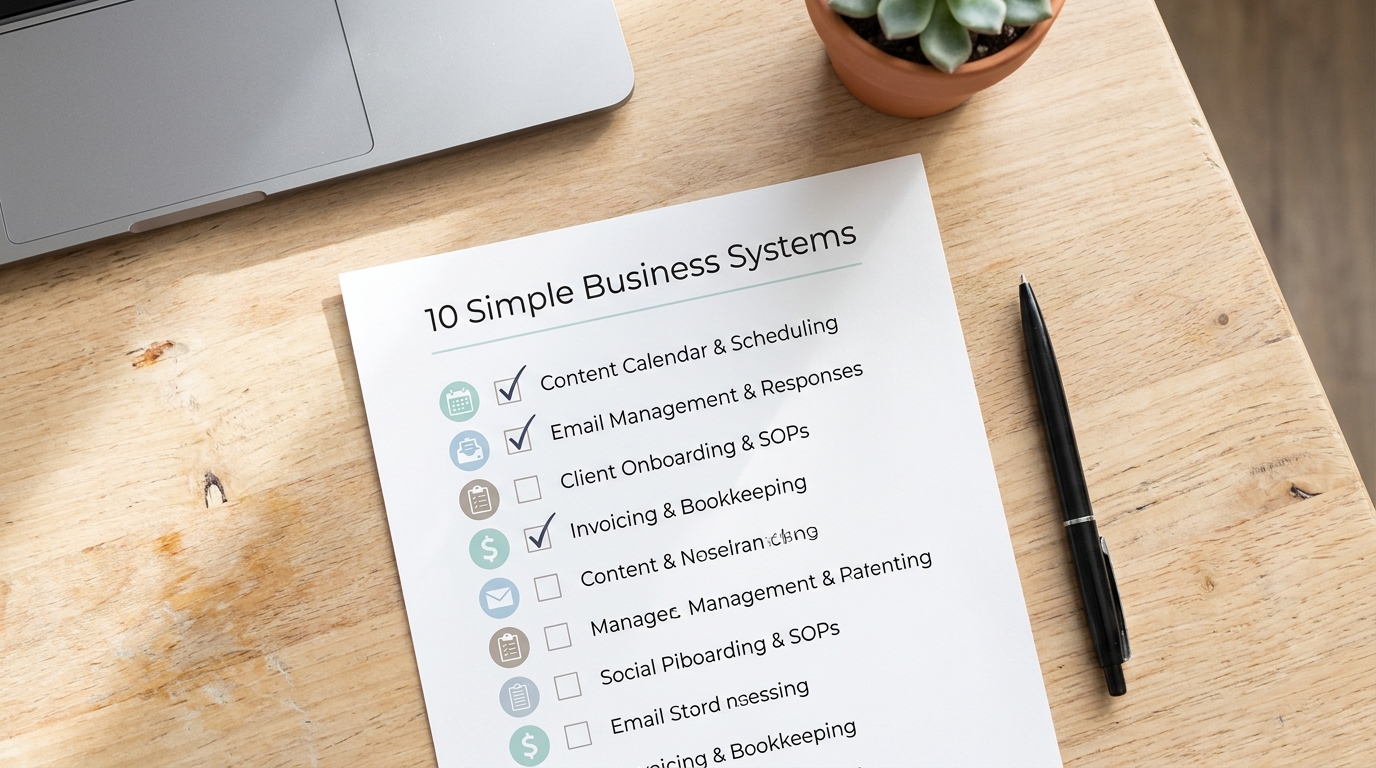
Below are 10 lightweight systems that help small businesses run smoother. Pick one to start this week.
1) A clear offer (in one sentence)
If you can’t explain what you do quickly, people won’t remember you.
Try this:
- “I help (who) get (result) without (pain).”
Example:
- “I help local service businesses get more leads without relying on referrals alone.”
2) A simple lead-capture habit
Great conversations disappear if they aren’t captured.
Try this:
- One place to capture leads (a form, a spreadsheet, or a notes database)
- One daily habit: check it once per day
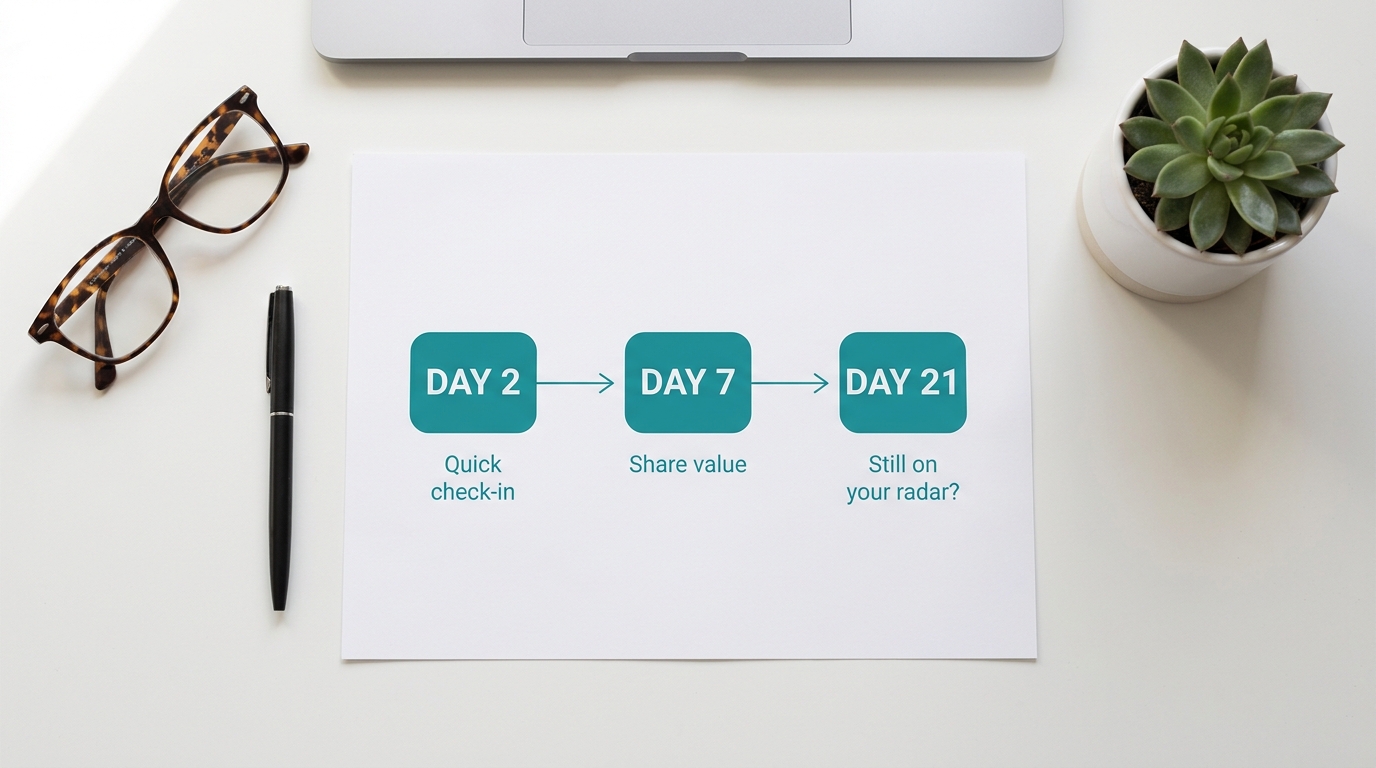
3) A consistent follow-up routine
Many people don’t say “no” — they say “not right now.”
Try this:
- Day 2: quick check-in
- Day 7: value-based follow-up (resource, idea, quick tip)
- Day 21: “still on your radar?”
Keep it human and helpful.
4) A repeatable onboarding checklist
Onboarding shouldn’t feel like reinventing the wheel.
Try this:
- “First 5 steps” checklist
- A welcome message template
- A short intake form (goals, timeline, constraints)
A smooth onboarding experience matters on your website too—especially on your contact/booking flow.
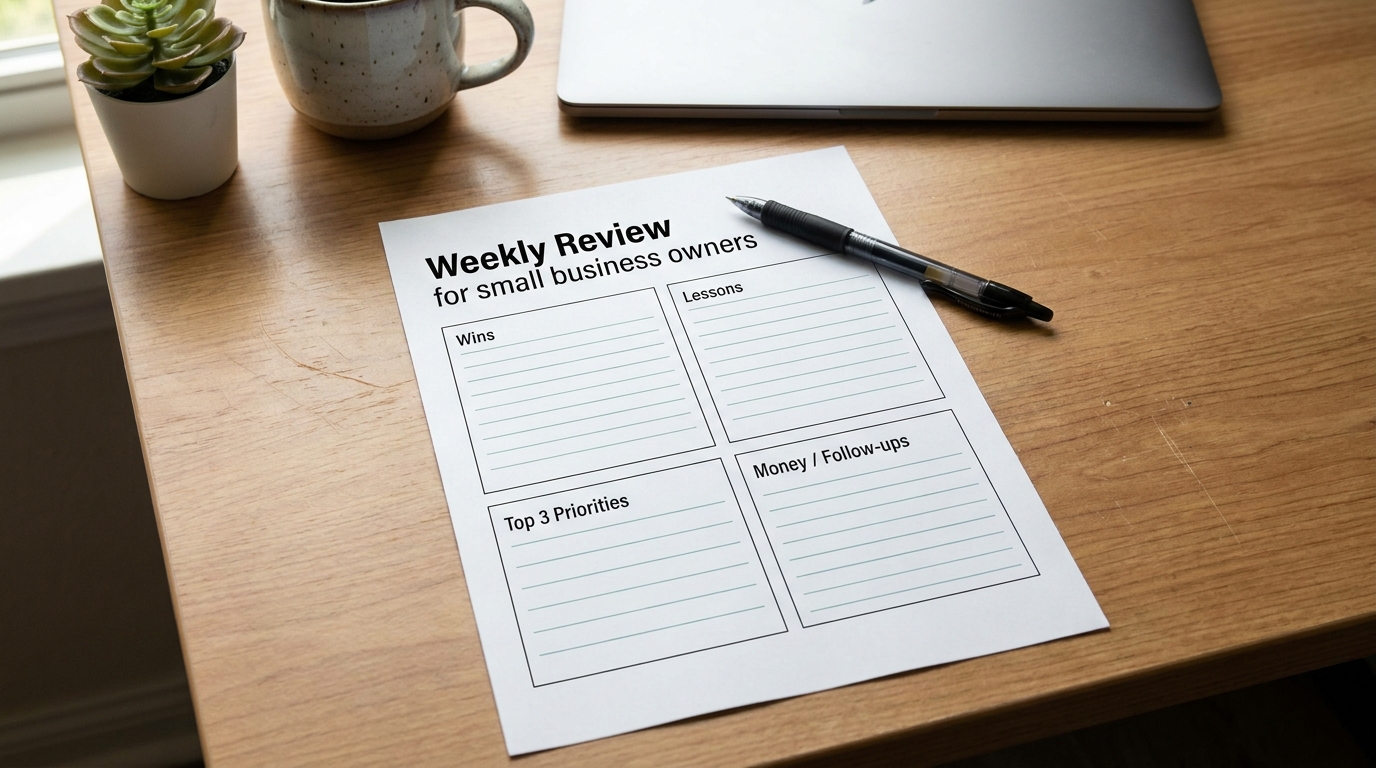
5) A weekly review (30 minutes)
Weekly review is the CEO move that prevents drift.
Try this every Friday or Sunday:
- What worked?
- What didn’t?
- What are the 3 priorities next week?
- Any invoices/follow-ups you need to send?
Include a monthly website check in your review. Use our maintenance checklist to check forms, content, and other essentials.
6) A basic money system: track + invoice + set aside
You don’t need to love spreadsheets — you need visibility.
Try this:
- Track income/expenses weekly (15 minutes)
- Send invoices the same day you deliver
- Auto-transfer a percentage into a “tax” bucket (if applicable)
7) A “done list” (not just a to-do list)
A done list keeps motivation and clarity.
Try this:
- At the end of each day, write 3 things you completed
8) A simple content rhythm (even if you don’t love posting)
Marketing works better when it’s consistent and not random.
Try this:
- 1 helpful post per week (answer a common customer question)
- 1 story per week (a lesson learned, before/after, or behind-the-scenes)
9) A customer FAQ you refine over time
FAQs reduce repetitive conversations and help you sell without being pushy.
Try this:
- Collect the 10 questions customers ask most
- Answer them in plain language
10) A “next best step” for people who aren’t ready
Some people need guidance, not a pitch.
Try this:
- A free checklist
- A short guide
- A simple “what to do first” framework
This builds trust and keeps you top-of-mind.
Final note
Feeling disorganized does not mean you are failing. Start with the part of the business that is causing the most friction.
Pick one system above, keep it small, and make it repeatable. Momentum comes from consistency.
One question for you
Which system would remove the most stress if it was handled automatically every week?
If your website needs to support those systems, Kreative Mojo Design can help with clear service pages, inquiry forms, and an easier contact path. Ask about website support for your business.